Jef Verheyen - Works from the 1960s
Ensemble
Items
View all-
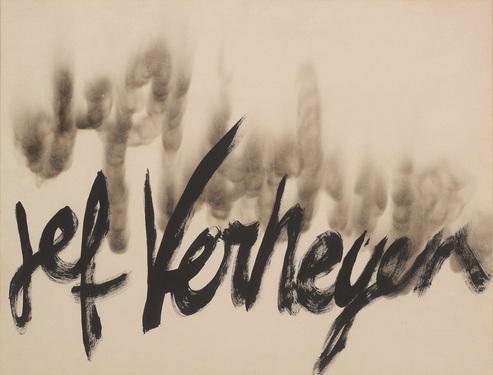
• 0826 • Untitled
Jef Verheyen, Galerie Bernard, • 0826 • Untitled, 1961. Drawing, smoke drawing on paper, 48 x 60 cm.
-
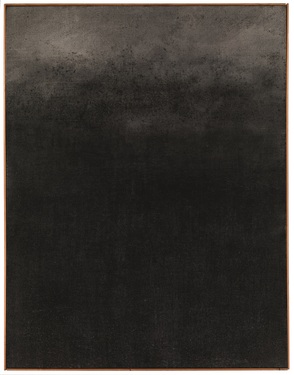
• 0822 • Niet Ruimte
Jef Verheyen, Galerie Bernard, • 0822 • Niet Ruimte, 1960. Painting, oil paint on canvas, 130 x 100 cm.
-
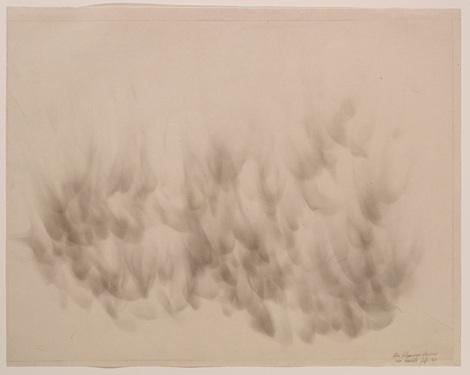
• 0820 • Die Vlammen dansen
Jef Verheyen, Galerie Bernard, • 0820 • Die Vlammen dansen, 1961. Drawing, smoke drawing on paper, 48 x 60 cm.
-
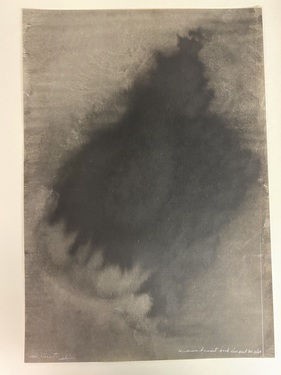
• 0817 • Untitled
Galerie Bernard, Kunsthaus Zürich, Jef Verheyen, • 0817 • Untitled, 1962. Drawing, water colour on paper, 50,8 x 35,5 cm.
Actors
View all-

Jef Verheyen
The Belgian ZERO artist Jef Verheyen (1932-1984) became known as the painter of light streams and colour spectra. He experimented not only wi
-

Guy Vandenbranden
*"la géometrie, contrairement à ce que croient les ignorants, donne les plus profondes voluptés"*. (Guy Vandenbranden)
-
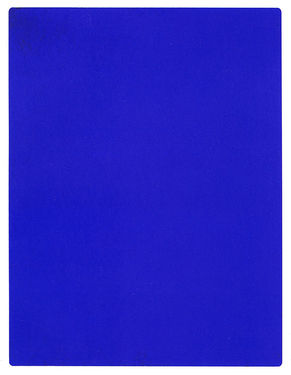
Yves Klein
[Yves Klein](http://www.yveskleinarchives.org/) (1928–1962, Frankrijk) is de zoon van twee schilders en werkt met verschillende technieken, w
-
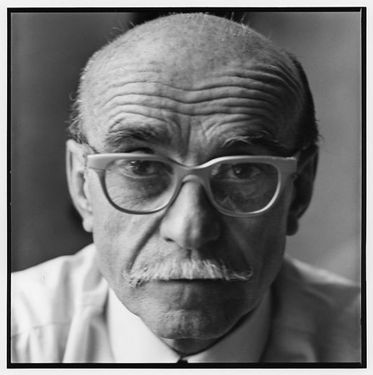
Lucio Fontana
De Argentijns-Italiaanse beeldende kunstenaar Lucio Fontana (1899-1968) heeft de avant-garde van halfweg de vorige eeuw verbreed en verdiept