Jef Verheyen - Works from the 1960s
Ensemble
Around 1960, the artist further elaborates on his Zwarte Ruimte or ‘Black Space’. He conceives his series De 4 Elementen (‘The Four Elements’): earth, air, fire and light. Gold, silver and bronze pigment as well as brass powder are further explored to suggest the right atmosphere. Shortly after, around 1962, Verheyen introduces his Arcs works where multicoloured light beams pass through the canvas such as Zonneboog (‘Sunbow’), Regenboog (‘Rainbow’) or Maanboog (‘Moonbow’). The artist also leaves the square canvas and paints on round fibreboards (tondo). Verheyen’s travels to Mexico and Brasil will be translated in his paintings around 1967-1968. At the end of the 1960s, Verheyen is preparing intensely for his luminous aurora works such as Lichtstroom, Lichtkolk, Lichtwenteling and Lichtvogel on the occasion of his Belgian representation at the Venice Biennial in 1970.
Items
View all-
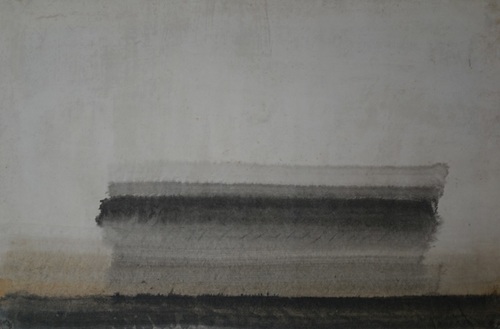
• 0668 • Paysage flamand ...
Jos Macken, Axel Vervoordt, Jef Verheyen, • 0668 • Paysage flamand / Vlaams Landschap, 1960. Drawing, water colour on paper, relined on canvas, 45 x 68 cm.
-
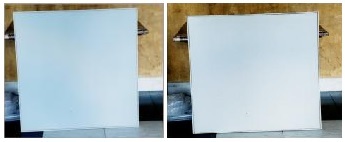
• 0160 • Zonneboog - Bevel
Jef Verheyen, • 0160 • Zonneboog - Bevel, 1965. Painting, matt lacquer , 90 x 90 cm each.
-
• 0418 • Maanpiramide
Galerie Bernard, Jef Verheyen, • 0418 • Maanpiramide, 1967. Painting, matt lacquer on canvas, 130 x 130 cm.
-
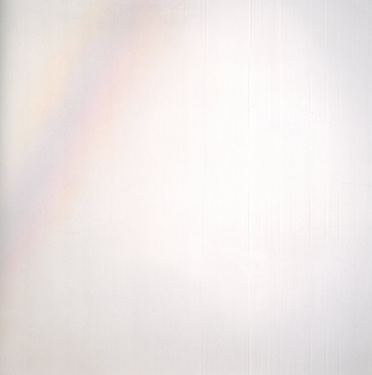
• 0188 • Pan
Jef Verheyen, Axel Vervoordt, • 0188 • Pan, 1968. Painting, acrylic paint on canvas, 180 x 180 cm.
Actors
View all-

Guy Vandenbranden
*"la géometrie, contrairement à ce que croient les ignorants, donne les plus profondes voluptés"*. (Guy Vandenbranden) De naoorlogse kuns
-
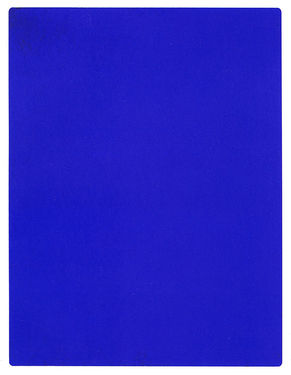
Yves Klein
The Yves Klein of 1959 already had an extreme reputation on the art scene. He had swept the table clear of arguments about form and color wit
-
Galerie Iris Clert
Iris Clert, born as Iris Athanassiadis in 1917 in Athens, moved to Paris in the 1930s. She joined, together with her husband, filmproducer Cl
-

Guy Mees
Guy Mees (1935-2003) emerges as a painter in Antwerp in the late fifties, when post-war avant-garde art from the US was just beginning to fin