SPIRITUALITEIT | SPIRITUALITY
Ensemble
Dimpna is doorweven met christelijkheid, van haar geheime doop door haar biechtvader en vertrouweling Gerebernus, tot de zorg voor armen en behoeftigen en het kluizenaarsverblijf waarnaar ze emigreert. Ze gaat daarom ook vergezeld van het Boek. Maar eigenlijk zit de spiritualiteit in een kort, standvastig antwoord: ‘neen’.
In de Europese middeleeuwen staat spiritualiteit voor de geestelijke kant van het leven, tegenover de stoffelijke en zintuiglijke kant. Spiritualiteit vertegenwoordigt “de hemelse lichtsfeer tegenover de duistere wereld van de materie”. Spiritualiteit heeft in de breedste zin te maken met zaken die de geest betreffen. Het woord wordt op vele manieren gebruikt en kan zich verbonden voelen met religie of bovennatuurlijke krachten, maar de nadruk ligt op de persoonlijke, innerlijke ervaring. In een strikte betekenis wordt er het bewustzijn mee aangeduid, het menselijke innerlijk zijn dat zijn oorsprong in een goddelijke of andere transcendentie ziet, of in relatie tot een hogere of eindeloos grotere werkelijkheid. De spiritualiteit is een bijzondere, maar niet noodzakelijk confessioneel begrepen levenshouding van een mens die zich op de transcendente waarheid of hoogste werkelijkheid concentreert.
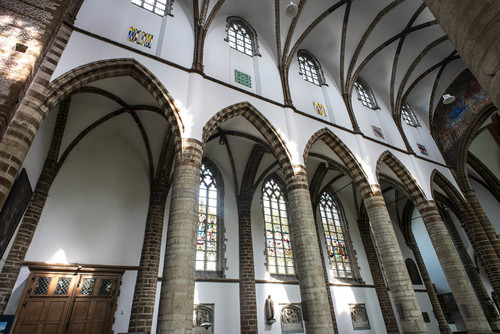
Het is in de Sint-Dimpnakerk, de vertaling in een publiek gebouw van een legende in een mogelijkheid van geloof, dat de hedendaagse kunst voorstellen inbrengt die van die hang van de mens getuigen, om zich deel te voelen van de waarde van een grotere werkelijkheid. Dat gebeurt bij de relieken van Dimpna en Gerebernus, niet enkel de primaire relieken van hun gebeente, maar ook de secundaire van de brokstukken van de sarcofagen waarin de gebeente ooit zouden zijn bewaard, en daarrond weer de dertiende-eeuwse reliekkast met engelen die op haar beurt weer is opgeborgen in het laatgotisch omhulsel met zeven beschilderde panelen met taferelen uit het leven van de heilige.
Nel Aerts zet met haar enigmatisch titelbeeld meteen de toon voor artistieke ingrepen die ruimte maken. De kern van het lichaam kan als vertrekpunt dienen, zoals bij Dmitry Gutov, Sofie Muller of Johan Tahon, maar ze zoekt ook bredere verbindingen. Het kleinste gebaar bevat het grootste, blijkt bij Edith Dekyndt, Rita McBride of Guy Mees. Kunst kan een focus bieden op essentiële ervaringen en hun zingevingsmogelijkheden, het licht zoals bij Róza El-Hassan en Nazanin Fakoor, kleur zoals bij Alfons Hoppenbrouwers en Philippe Van Snick, hoogte bij Vadim Fishkin, tijd bij Suchan Kinoshita en Jacqueline Mesmaeker, de taal als een ervaring (die het verstand achterlaat en) die voor een bredere zingeving gaat, zoals bij Bia Davou, Evgeny Granilshchikov, Mary Ellen Solt en Where Dogs Run.
Guy Rombouts realiseert voor Middle Gate II een werk dat hij voor de eerste Middle Gate overwoog, een hoedenalfabet. Het is een stil werk geworden, verspreid over de bidstoelen van de kerk, met voor elk van de letters van het alfabet een eigen hoed, gevouwen uit leeg blad papier, ooit bestemd voor het Nieuwsblad van Geel.

Items
View all

Actors
View all-

Suchan Kinoshita
Suchan Kinoshita (°1960) is geboren in Tokyo in een Japans-Duitse familie. In de vroege jaren tachtig studeert ze muziek in Keulen. Gedurende
-

Guy Mees
Guy Mees (1935-2003) ontpopt zich als schilder in Antwerpen in de late jaren vijftig, als de naoorlogse avant-gardekunst uit de VS haar weg n
-
Dmitry Gutov
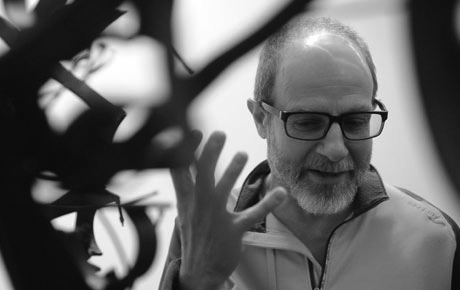
Dmitry Gutov (°1960) wordt geboren in Moscow waar hij tot vandaag woont en werkt. Hij is niet alleen een beeldend kunstenaar maar ook theoret
-

Johan Tahon
Als beeldend kunstenaar wordt Johan Tahon (°1965) gedreven door vragen naar de zingeving van zijn bestaan. Die noodzaak om de dagelijkse werk