NUCLEUS
Ensemble
The M HKA’s contemporary art collection has grown thanks to a combination of acquisitions, donations and long-term loans from various public collections. The historical basis for the collection goes back to the ICC activities (International Cultural Centre) in Antwerp in the 1970s. The M HKA collection continues to grow in the areas of the post-war avant-garde tradition in Antwerp and the wider region in north-western Europe, today's multipolar world, the importance of the 'performative' aspect and social commitment, but also with regard to the nature and role of images today. Here, we present a selection of works from a broad spectrum of different sensitivities, regions, research areas and stories from our collection.

Items
View all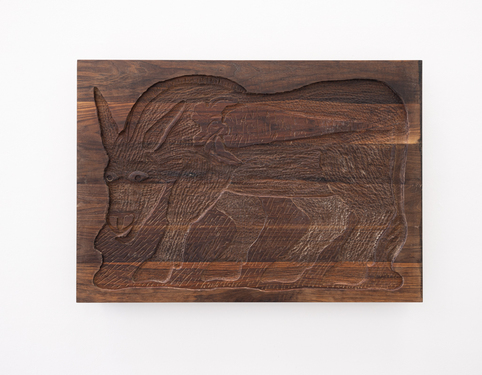

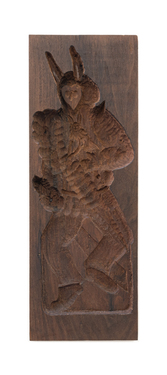

Actors
View all-
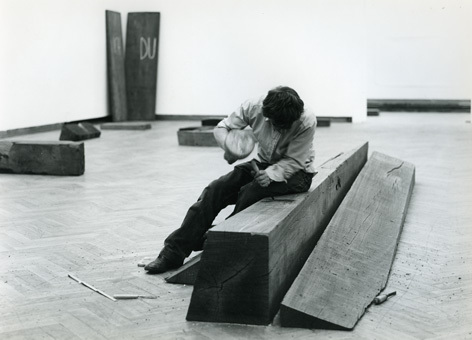
Bernd Lohaus
Bernd Lohaus was born in Düsseldorf in 1940; in his twenties, he enrolled at the highly regarded local art academy when Joseph Beuys was a pr
-

Giorgio de Chirico
Giorgio de Chirico was born in Greece into the family of an Italian railroad engineer and later studied in Athens, Florence and Munich, where
-
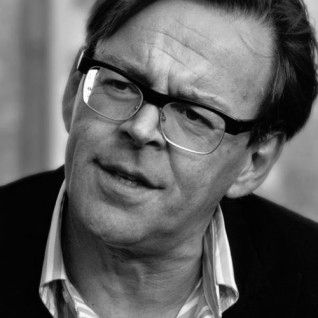
Wim Delvoye
Wim Delvoye is a much talked about and controversial artist. Since the second-half of the 1980s, he’s decorated modern, familiar objects. In
-
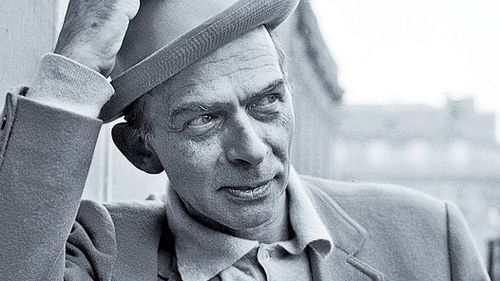
Pierre Klossowski
Pierre Klossowski was a French writer, translator and artist. He was the older brother of the artist Balthazar Klossowski, better known as Ba
Ensembles
View all-

JIMMIE DURHAM ENSEMBLE
This ensemble and digital application is an outcome of M HKA’s extensive long-term research in the oeuvre of Jimmie Durham and starts with an
-

Vrielynck Collectie
The Robert Vrielynck Collection is one of the few large collections in Belgium that give a picture of the (pre-)history of film. The collecti
-

The Artist's Novel
The Book Lovers is a research project on the phenomenon of the artist's novel curated by David Maroto and Joanna Zielińska. The central quest
-

The City Collection / De ...
The city of Antwerp started in 2021 with the development of a city collection of contemporary art. The artworks will be given on long-term lo