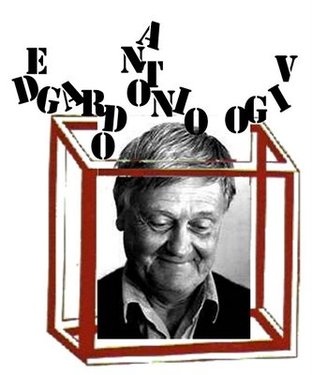
Diagonal Cero
Ensemble
The periodical and title Diagonal Cero is based on the pattern of streets in Vigo's home La Plata, which consists of several numbered avenues (diagonals). Diagonal Cero , a fictional zero avenue, refers to the 'open' nature of the magazine as a public site for poetic and visual experiment. Over time, the name also starts to refer to a loose group of Argentine poets who gathers around the magazine and dedicates itself to experiments in concrete and visual poetry. Apart from compositions by these poets, Vigo also publishes texts – translated by himself and his wife – of older European avant-gardists such as Hans Arp, Max Ernst, Francis Picabia and Kurt Schwitters. Formally, Diagonal Cero is a portfolio. The contributions of the various authors are unbound, often printed on different sorts of (sometimes transparent) paper, folded or featuring cutouts and perforations, and bundled in a folder featuring graphical prints.

Items
View all-

Diagonal Cero 25
Edgardo Antonio Vigo, Diagonal Cero 25. Periodical, ink, paper.
-
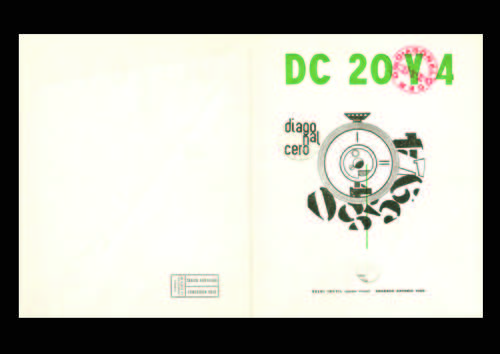
Diagonal Cero 24
Edgardo Antonio Vigo, Diagonal Cero 24. Periodical, ink, paper.
-
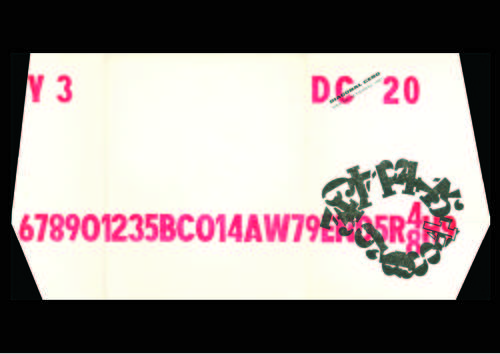
Diagonal Cero 23
Edgardo Antonio Vigo, Diagonal Cero 23, 1967. Periodical, ink, paper.
-

Diagonal Cero 22
Edgardo Antonio Vigo, Diagonal Cero 22, 1967. Periodical, ink, paper, 24.5 x 20 cm.
Actors
View all