SUPERDEMOCATIE / SUPERDEMOKRATIE / SUPERDEMOCRACY
Ensemble
De stem van de burger weerklinkt luider dan ooit in de parlementen wereldwijd en de diversiteit van wie en ook van wat deze instellingen vertegenwoordigen, groeit zienderogen.
De sociale media zorgen vandaag voor een meer regelmatige wisselwerking tussen de burger en zijn vertegenwoordiger. Vele initiatieven brengen hen samen om via allerhande belangen- en actiegroepen te bouwen aan een breder draagvlak voor beslissingen. Interactie en dialoog vormen stilaan (terug) de spil van de besluitvorming. De representatieve democratie wordt alsmaar meer ook een ‘deliberatieve democratie’.
Bovendien zijn wie en wat het parlement representeert onderhevig aan grondige verandering. Het is immers niet enkel meer de vertegenwoordiger van een steeds diversere bevolking, maar ook van vele ‘niet-menselijke’ componenten van de wereld die eveneens zijn aandacht opeisen. Dierenrechten, monumentenzorg, technologische ontwikkeling, energie-ontginning en milieubescherming zijn actueler dan ooit. Het besef groeit dat, wil de mens overleven, hij de dieren en de ‘dingen’ niet meer enkel als een bezit kan beschouwen dat hem ten dienste staat, maar dat beide inherent deel uitmaken van de wereld, iets wezenlijks zeggen over de wereld en hun invloed doen gelden. Daarom spreken we hier, de socioloog Bruno Latour parafraserend, van ‘De Senaat der Dingen’.
Vertrekkend vanuit de vaststelling dat het functioneren van het politieke proces steeds complexer en beweeglijker wordt, lanceert deze tentoonstelling het begrip SUPERDEMOCRATIE. Net zoals herkomst niet meer volstaat om de groeiende verscheidenheid in de samenleving te duiden, valt de hedendaagse democratie niet langer te herleiden tot stemhokje en halfrond.
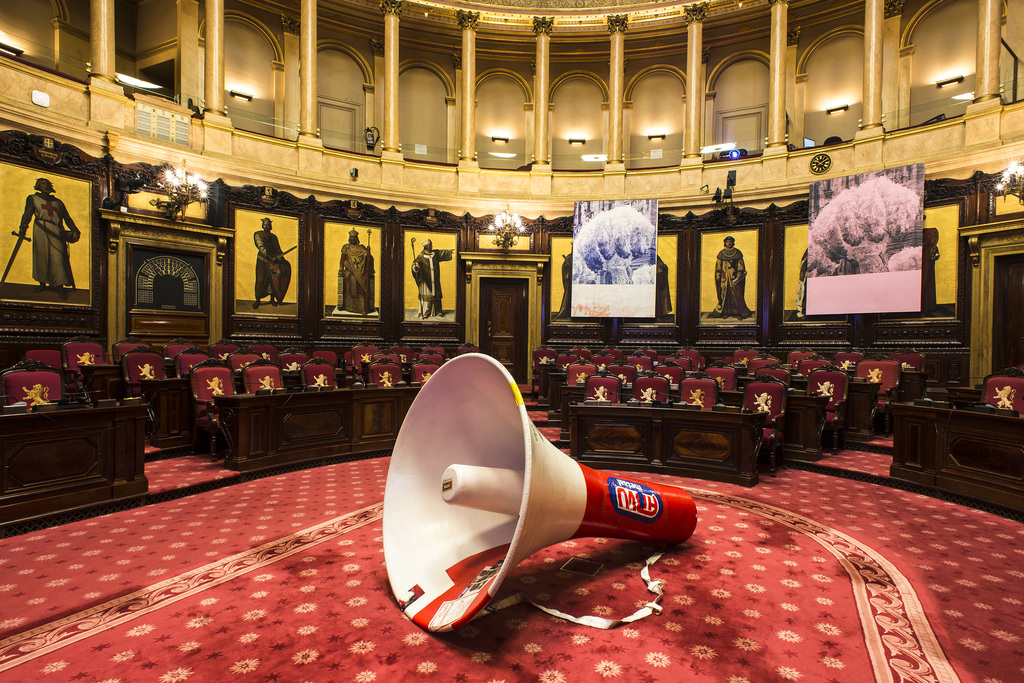
De tentoonstelling SUPERDEMOCRATIE geeft aan ‘samen-spraak’ het volle pond. De Belgische Senaat is daarvoor de uitgelezen plaats: als assemblee van de deelstaten is hij de plaats van reflectie en dialoog tussen de gemeenschappen over ‘transversale aangelegenheden’. En precies daarover gaan drie cultuurinstellingen - BPS22 in Charleroi, BOZAR in Brussel en M HKA in Antwerpen - de dialoog aan met het parlement.
Concreet focust de tentoonstelling op vijftien thema’s in evenveel zalen van de Senaat. Telkens worden kunstenaars van de Franse, de Vlaamse en een andere gemeenschap samengebracht. De combinaties van hun schilderijen, sculpturen, foto’s, video’s, installaties enz. uit de collecties van BPS22 en M HKA, tonen een mogelijke benadering van de thema’s. De toeschouwer wordt uitgenodigd verbanden te ontdekken met de door de Senaat behandelde materies en tussen de werken onderling en zo deel te nemen aan de dialoog waartoe ze uitnodigen.
Deze reflectie wordt gedurende de hele maand oktober voortgezet tijdens ‘discussiesalons’ en lezingen die de drie partners opzetten over de onderwerpen van de tentoonstelling.
Bart DE BAERE
Paul DUJARDIN
Pierre-Olivier ROLLIN
Items
View all-
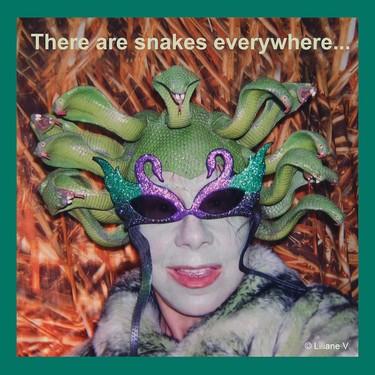
There Are Snakes Everywhe...
Liliane Vertessen, There Are Snakes Everywhere…, 2017. Mixed Media, textile.
-

Drapeau
Emilio López-Menchero, Drapeau, 2015. Mixed Media.
-

Usine occupée. 46 portrai...
Véronique Vercheval, Usine occupée. 46 portraits de travailleurs de Royal Boch, 2009. Photography.
-
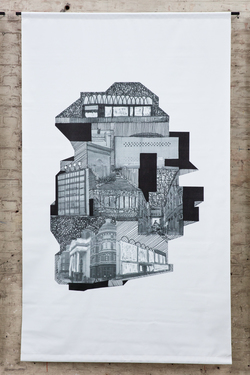
Ane(c)dote
Mira Sanders, Ane(c)dote, 2009. Print, ink, paper.
Actors
View all-

Angel Vergara
De Spaanse kunstenaar Angel Vergara (°1958, Mieres, Spanje) woont al meer dan dertig jaar in Brussel; hij heeft zich in die tijd zowel de Bel
-

Tapta
De achttienjarige Tapta, pseudoniem van Maria Wierusz-Kowalski, belandt na de bevrijding van Warschau als politiekvluchteling in België. In
-
Koka Ramishvili
Koka (Akaki) Ramishvili (°1956) woont en werkt in Geneve. Hij is een van de vele Georgische kunstenaars wiens werk sterk beïnvloed is door po
-

Sheela Gowda
Sheela Gowda (°1957, Bhadravati, Indië) woont en werkt in Bangalore, Indië. Gowda is van opleiding schilder, maar is een beeldend pad ingesla
Ensembles
View all-

TEKSTVERZORGING / TOILETT...
‘Lex dura, sed lex’, de wet is hard, maar het is (nu eenmaal) de wet. In een wet toont het woord zich in een van zijn meest autoritaire, norm
-
DIVERSITAS IV
Een gemeenschap, of het nu een land, een stad of een bedrijf is, wordt dikwijls als een eenduidig samenhangend geheel ervaren en zo ook naar
-

DIVERSITAS III
Van vrouwenemancipatie, naar rechten voor homoseksuelen en voor transgenders. De relatiepatronen tussen en binnen de seksen zijn in onze same
-
ECONOMIE / ECONOMY / WIRT...
Altijd hebben uitwisselingen tussen mensen, onder welke vorm dan ook, structuur gegeven aan de beschaving. Dikwijls staat het economische ver